.svg)
June 12, 2026


June 12, 2026
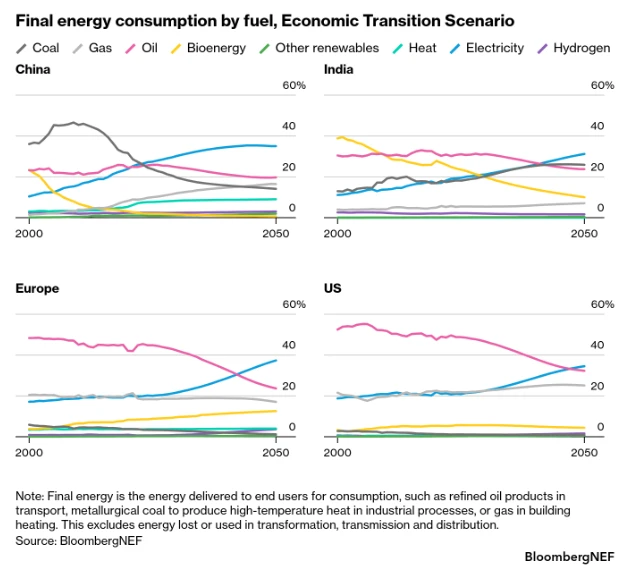
BloombergNEF’s New Energy Outlook 2026 argues that recent energy shocks, including Covid-19, the war in Ukraine and conflict in the Middle East, have strengthened the case for countries to reduce dependence on imported fossil fuels. Its Economic Transition Scenario suggests that rapidly deploying cost-competitive clean technologies can improve energy security, especially for import-dependent economies such as Vietnam, Japan, Indonesia and India. The report says electricity demand is rising almost everywhere, driven by population growth, higher incomes, data centers and electrification across transport, buildings and industry.
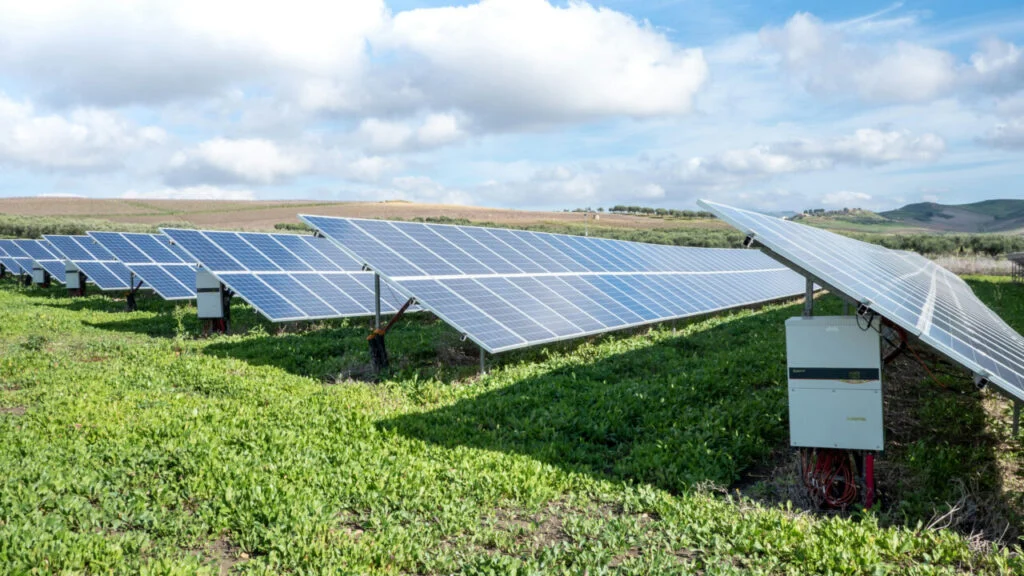
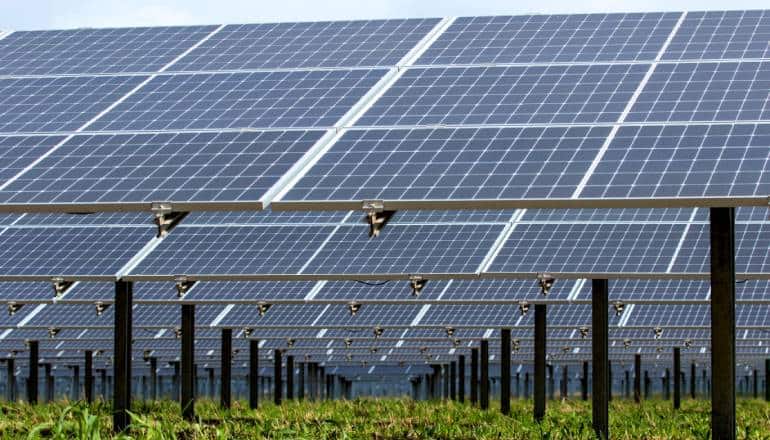
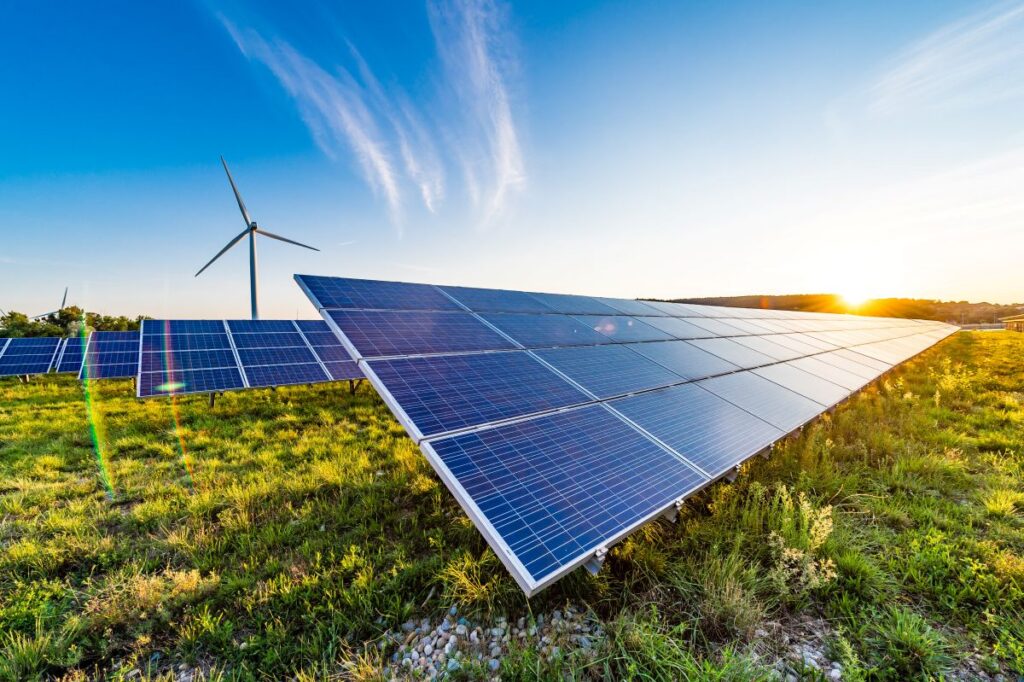
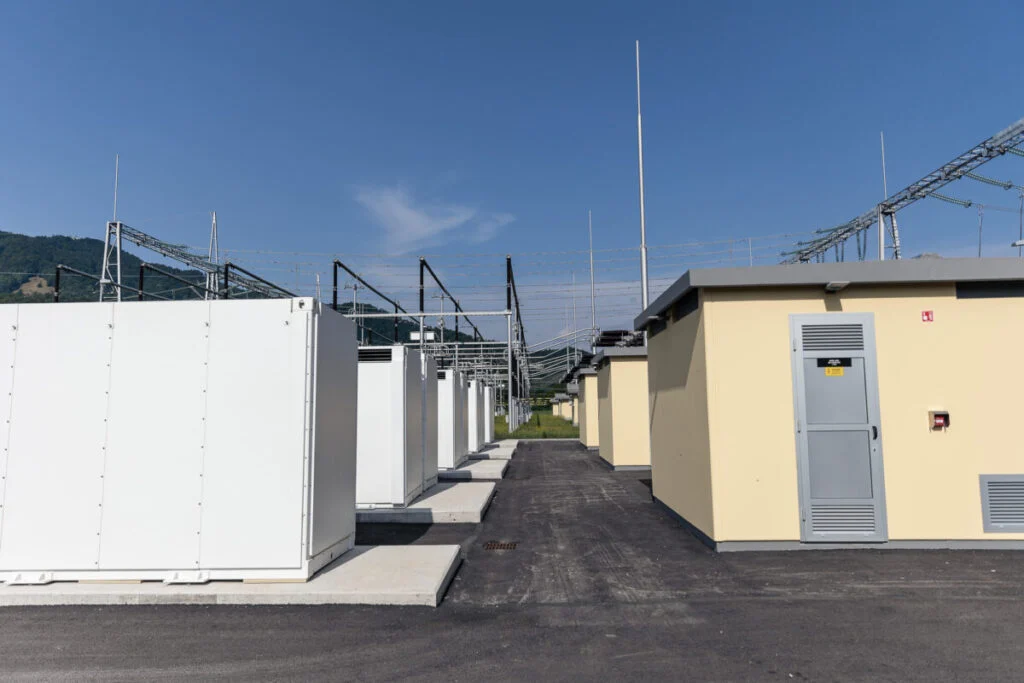
The outlook projects that solar will become the world’s largest source of electricity by 2032, supported by oversupply, technological progress and falling costs, while battery storage capacity is expected to rise sharply. BNEF also says coal use in power generation will decline over the long term because it cannot compete on cost, although some coal-rich countries may still prioritize it for security reasons. The report warns that achieving 1.5C is no longer feasible under current conditions, while its updated net-zero pathway would require $235 trillion in investment by 2050 and much faster deployment of low-carbon technologies.
Source: BloombergNEF












.webp)
.webp)