.svg)
May 29, 2026

May 29, 2026
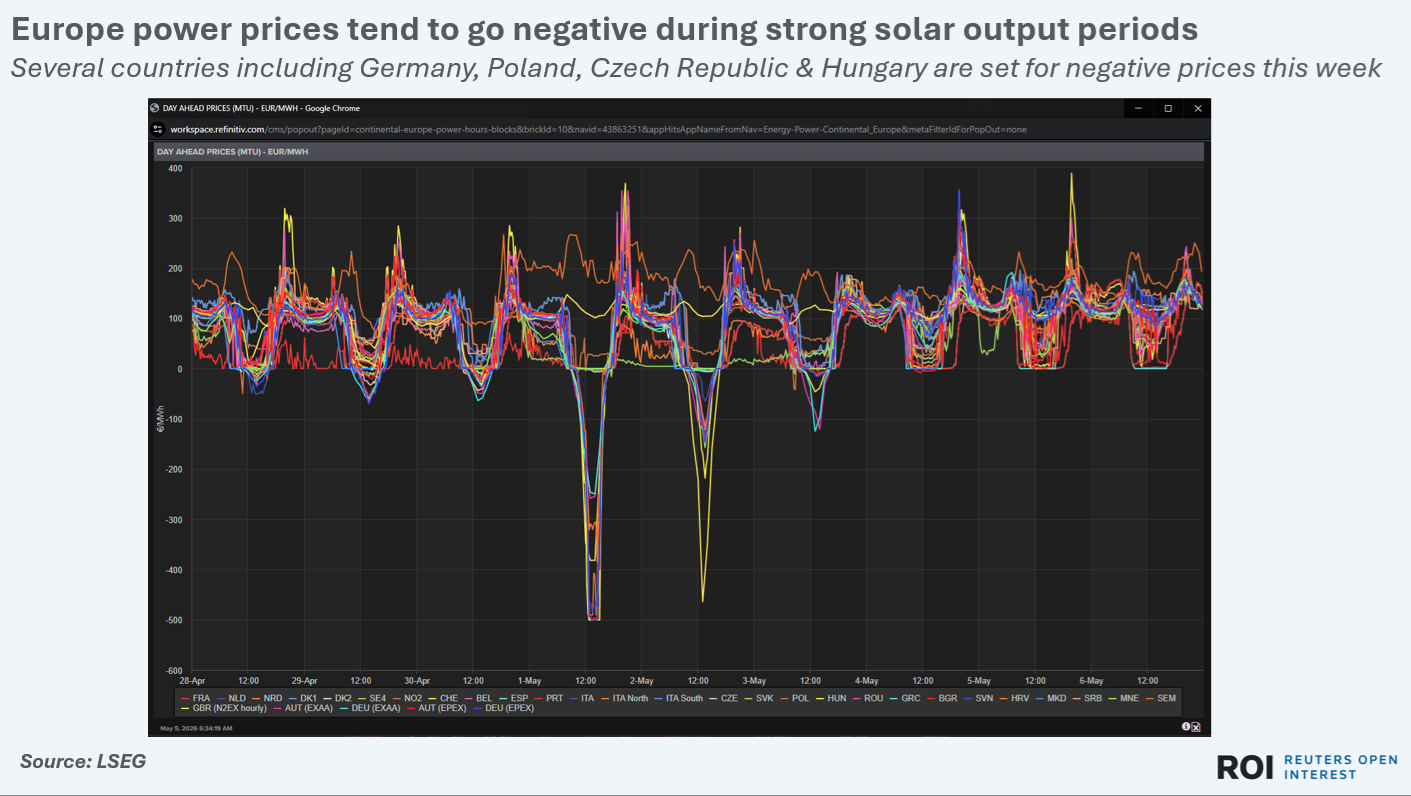
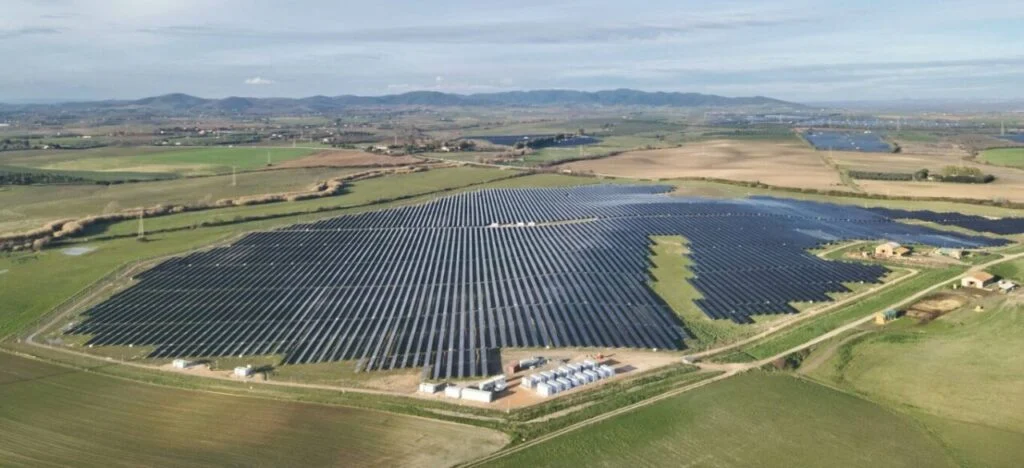
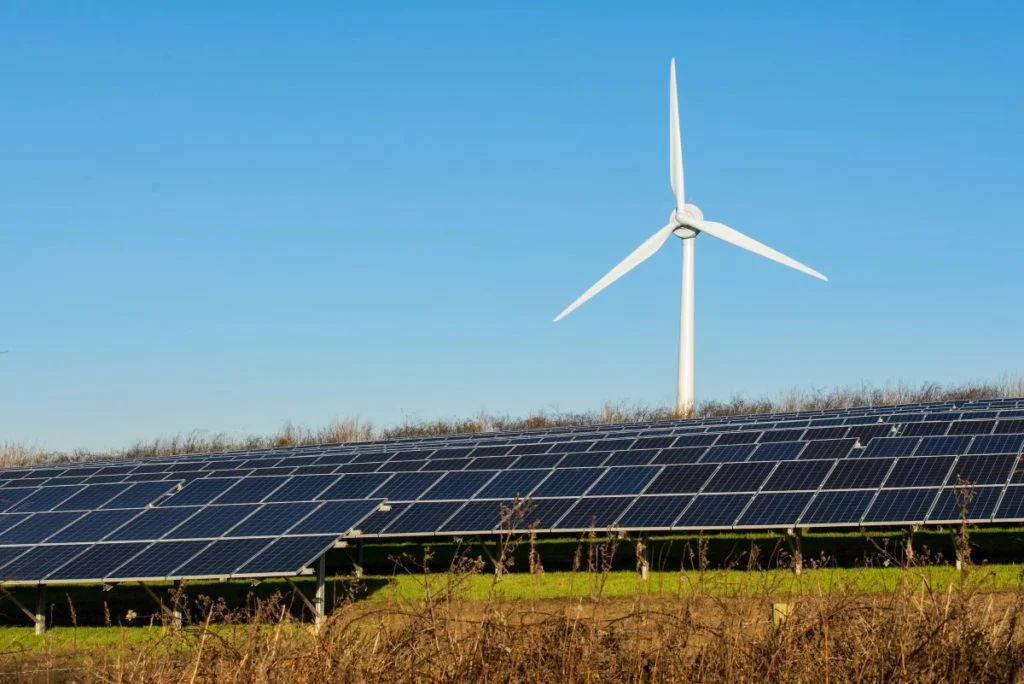
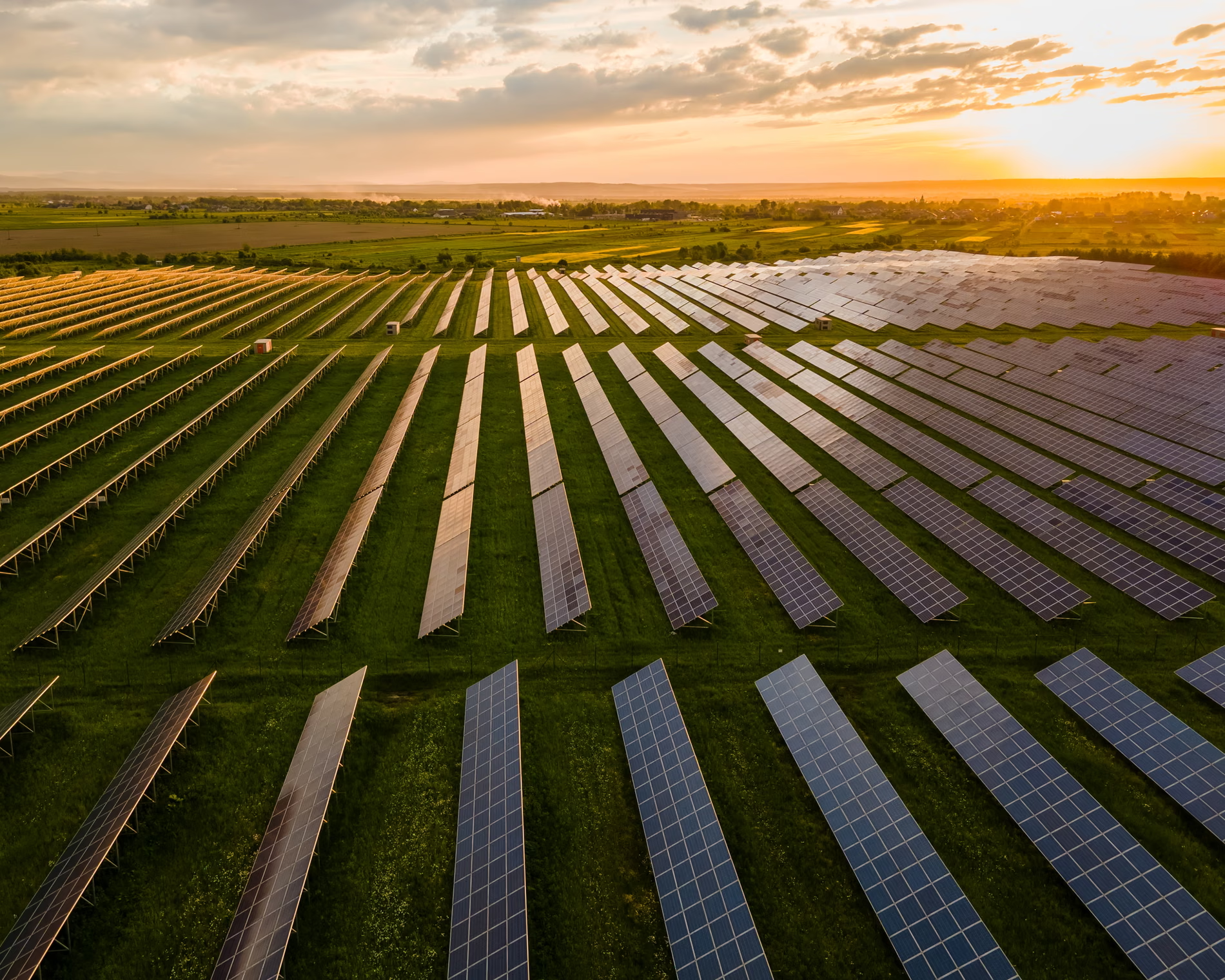
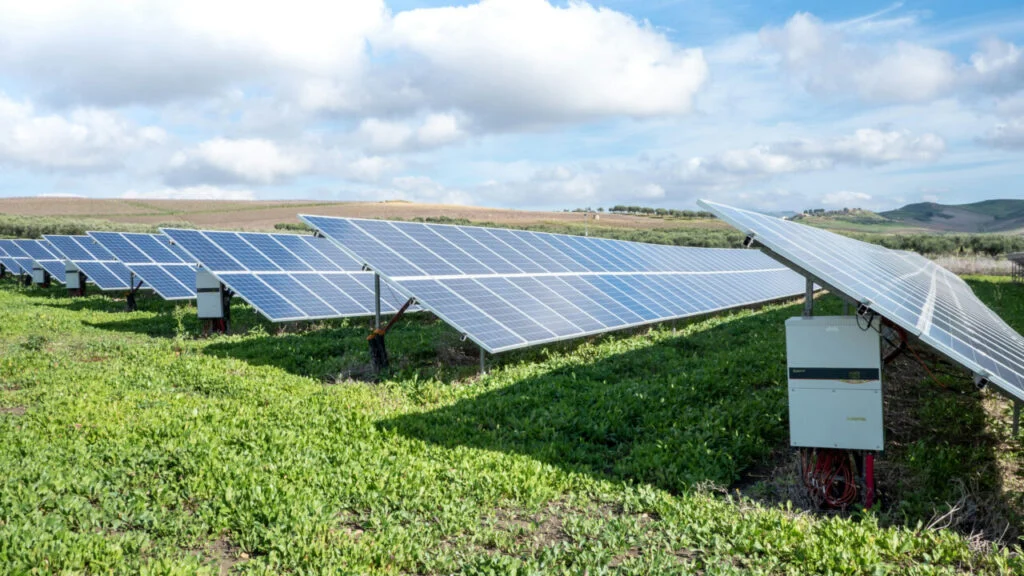
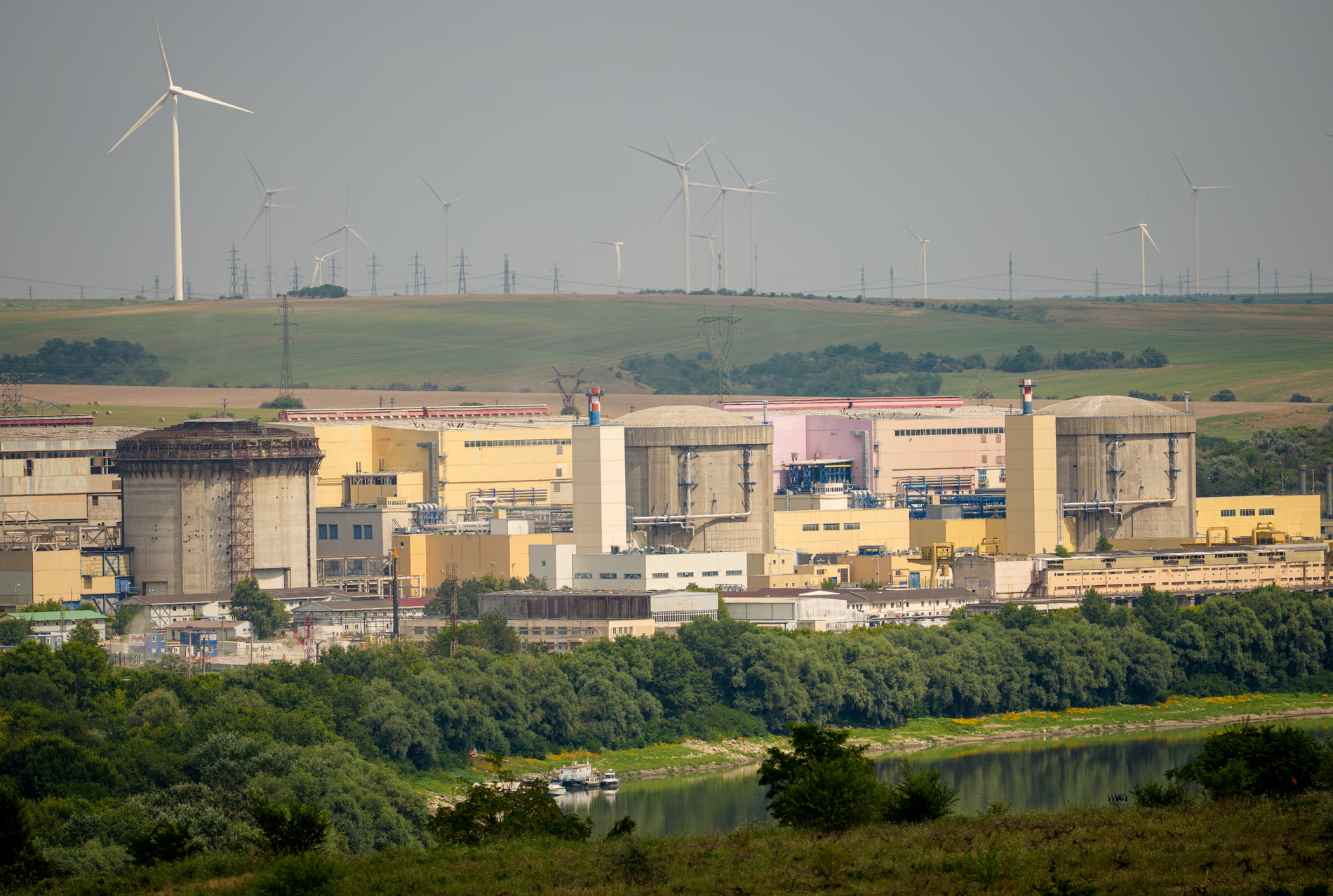
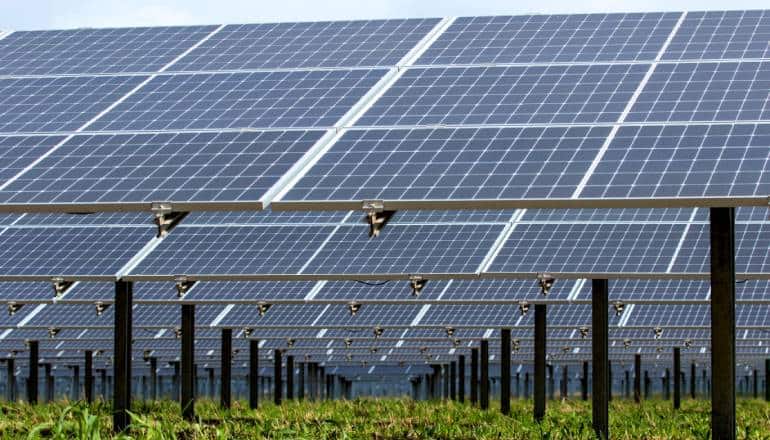
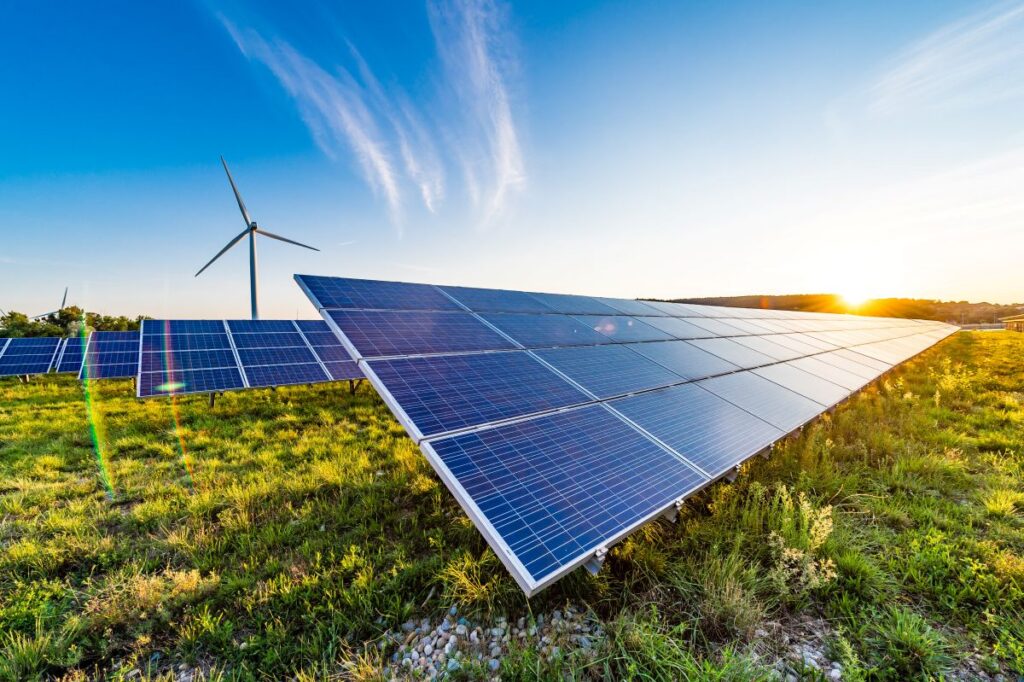
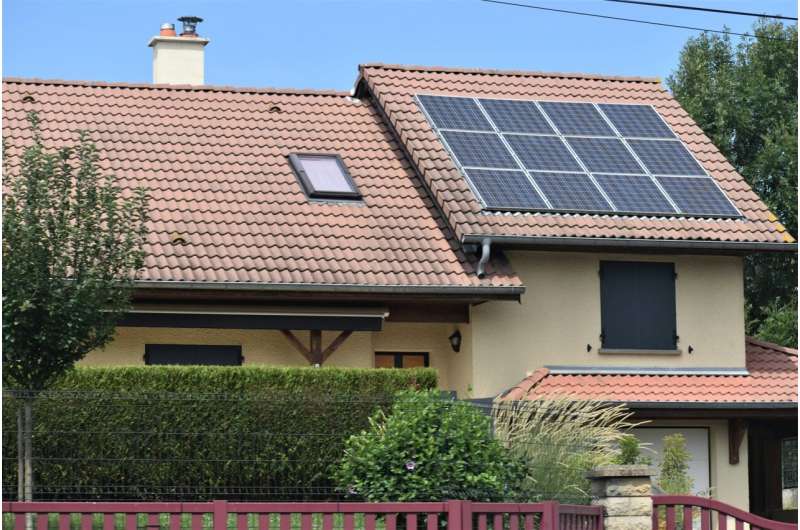
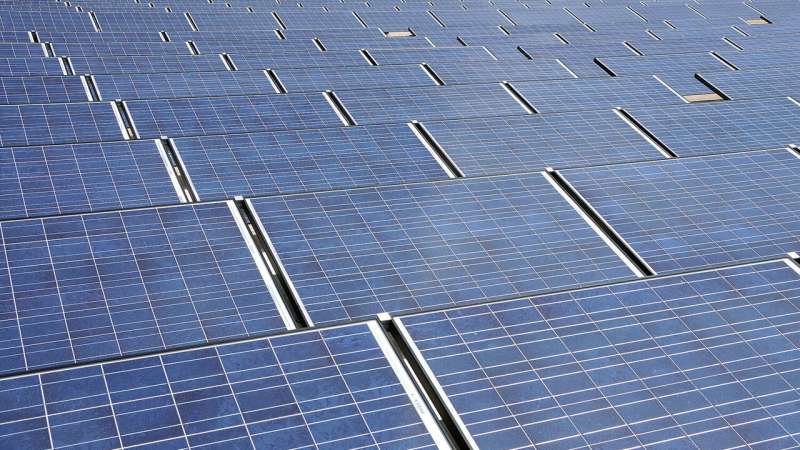
Reuters reports that Europe’s rapid solar expansion is now creating a more complicated phase of the energy transition. Solar capacity in Europe has risen by more than 115% since 2020, doubling solar-generated electricity flowing through regional grids. In Germany, Europe’s largest solar producer, solar supplied one-third of utility power in April 2026, a record share for that month. While this growth has helped displace fossil-fuel generation, it is also producing periods of oversupply, especially during sunny daytime hours, pushing electricity prices very low or even negative in countries including Germany, Poland, the Czech Republic and Hungary.
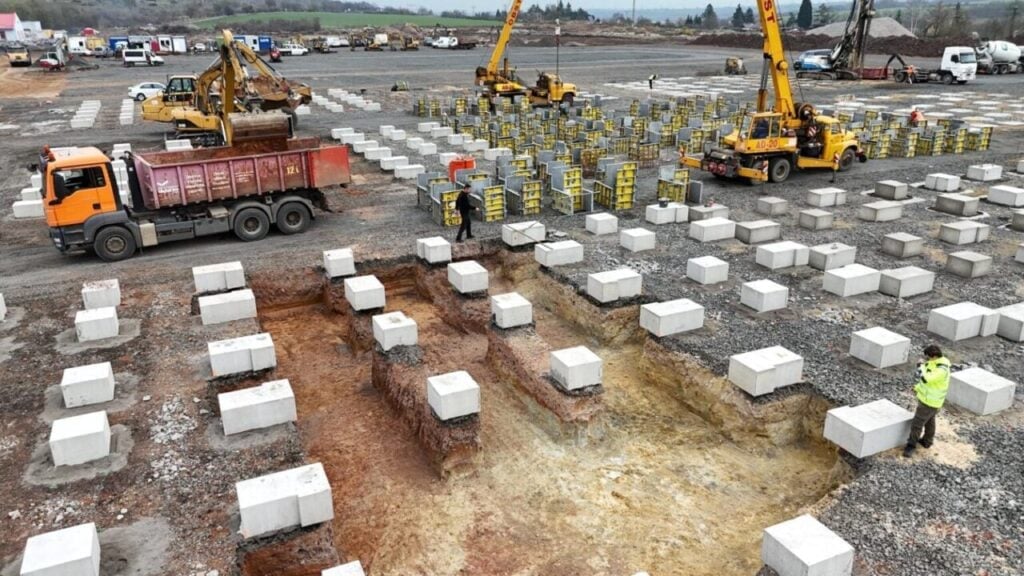
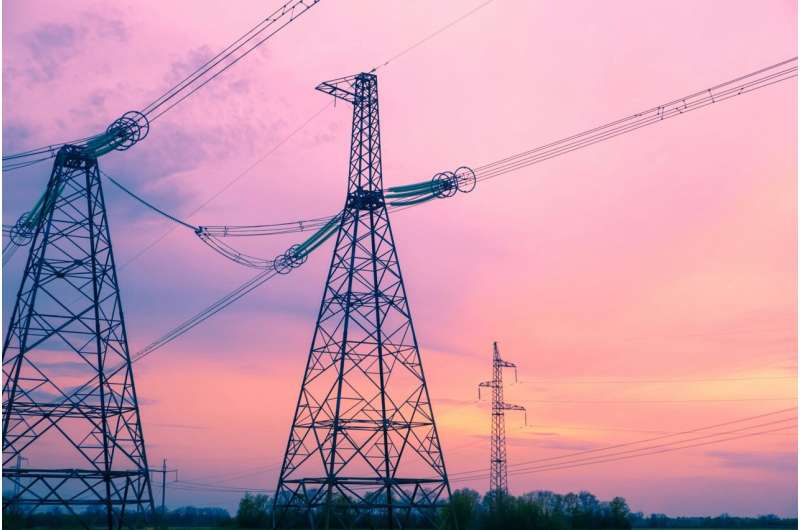
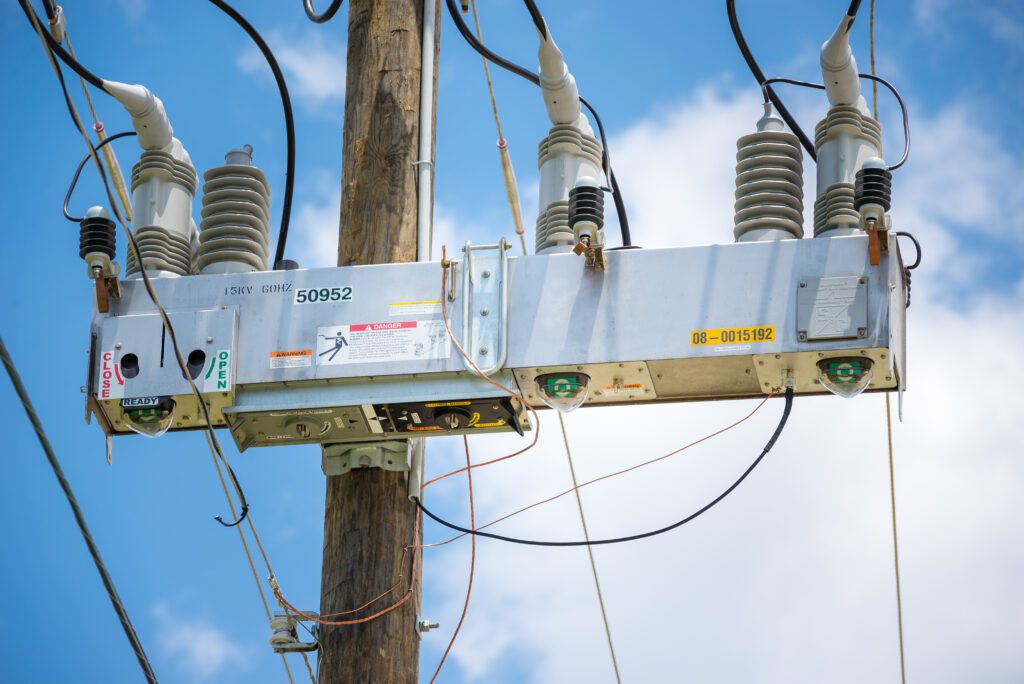
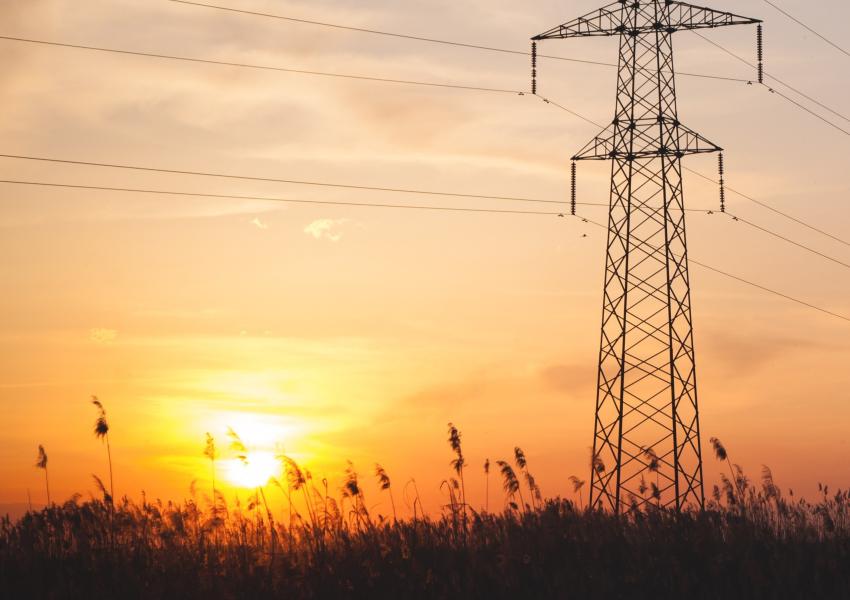
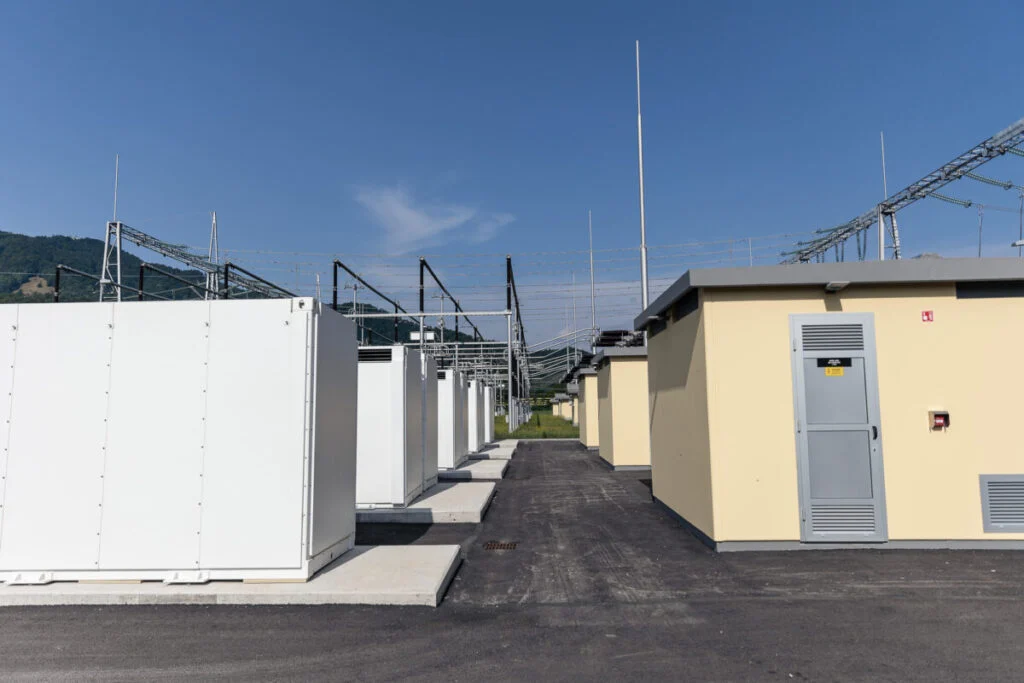
The article says the challenge is no longer simply building more renewable capacity, but making the power system flexible enough to handle it. Negative prices can damage power producers’ finances, while frequent ramping of coal, gas and nuclear plants can reduce efficiency, raise maintenance costs and add stress to the grid. Reuters notes that Europe will need major investments in batteries, grid equipment, inverters, transformers, transmission lines, software and market incentives to shift demand in real time. If these upgrades succeed, Europe could move toward a cleaner, more self-sufficient and more reliable power system; if not, the solar boom could increasingly strain markets and infrastructure.








.webp)
.webp)