.svg)
June 21, 2026


June 21, 2026
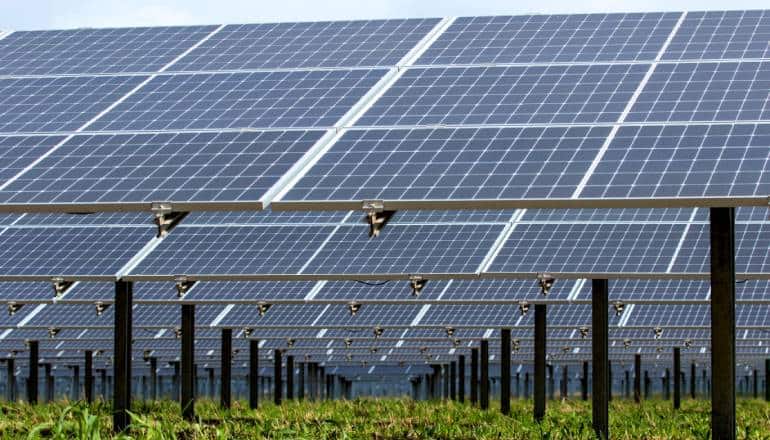
The article argues that Péter Magyar’s Tisza Party victory in Hungary opens a cautious opportunity for a “green reset” after 16 years of Viktor Orbán’s rule, but not a rapid progressive transformation. The new government is expected to give environmental issues more institutional weight through a dedicated environment ministry, while its programme includes lifting restrictions on wind power, expanding renewables, improving energy efficiency, modernising the grid, electrifying rail and investing in water-retention infrastructure. Much of this agenda depends on unlocking frozen EU funds, including money tied to Hungary’s Recovery and Resilience Plan.
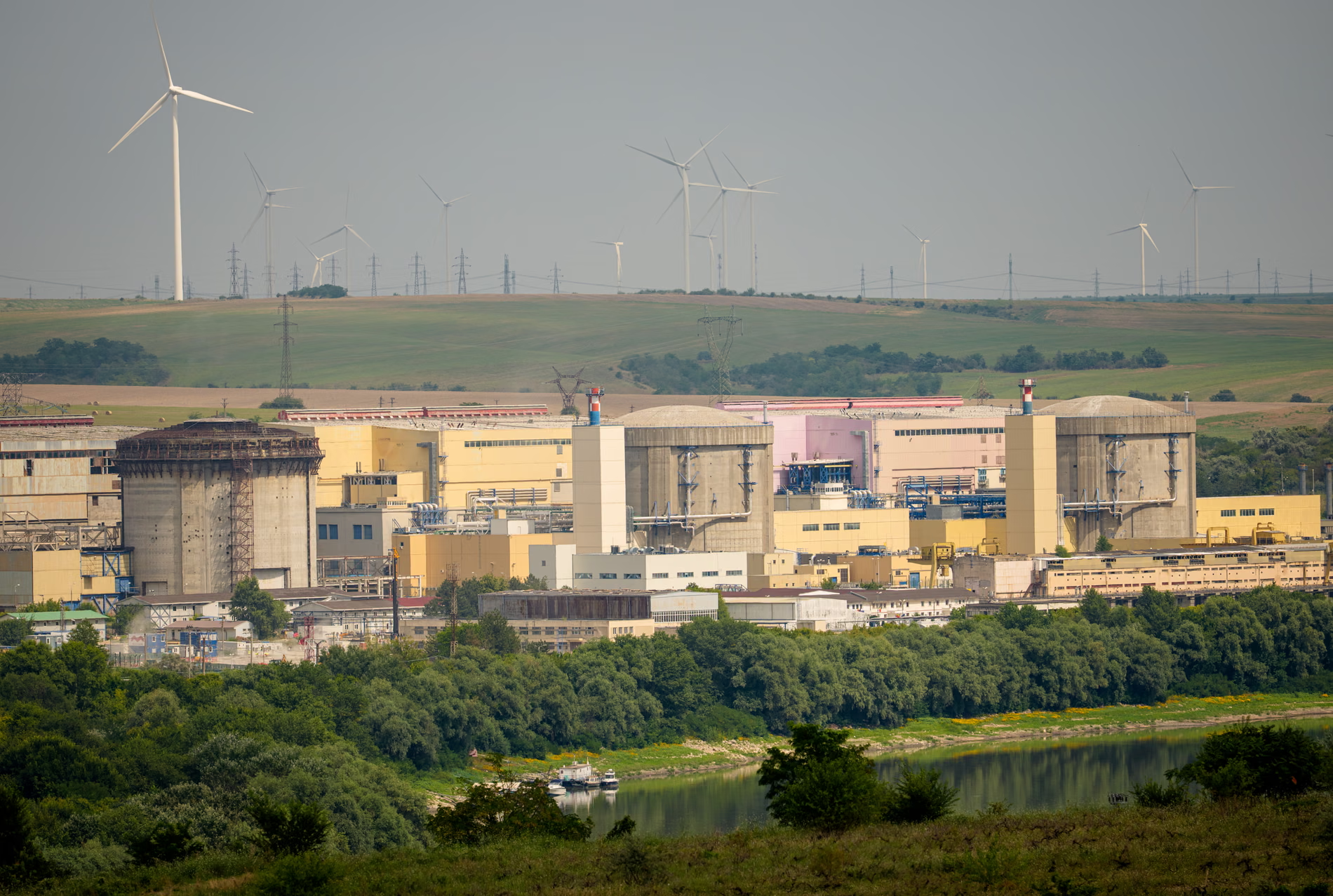
At the same time, the article stresses that Hungary’s transition will face deep constraints. The country remains heavily dependent on Russian gas, oil and nuclear technology, while its battery manufacturing boom has created environmental and public-health concerns that have damaged trust in green industrial investment. Tisza’s pledges on stricter oversight, diversification away from Russian energy and cooperation with the EU suggest a major change in tone from Orbán-era obstructionism, but the article concludes that Hungary is more likely to become a cautious, constructive participant in EU climate policy than a climate leader.
Source: EnergyTransition.org












.webp)
.webp)