.svg)
July 1, 2026


July 1, 2026
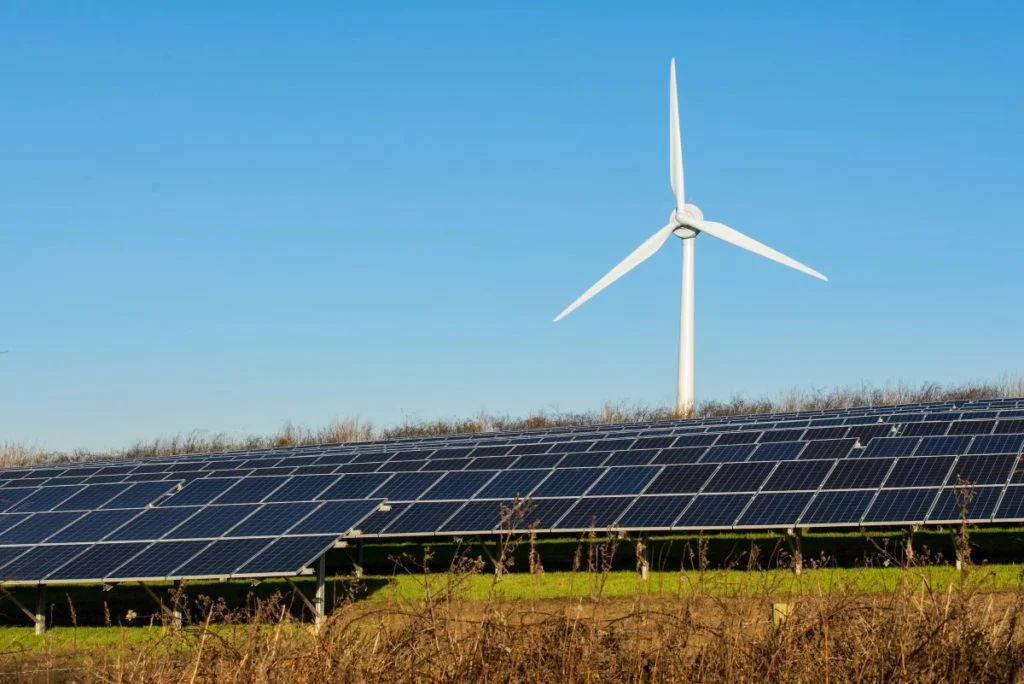
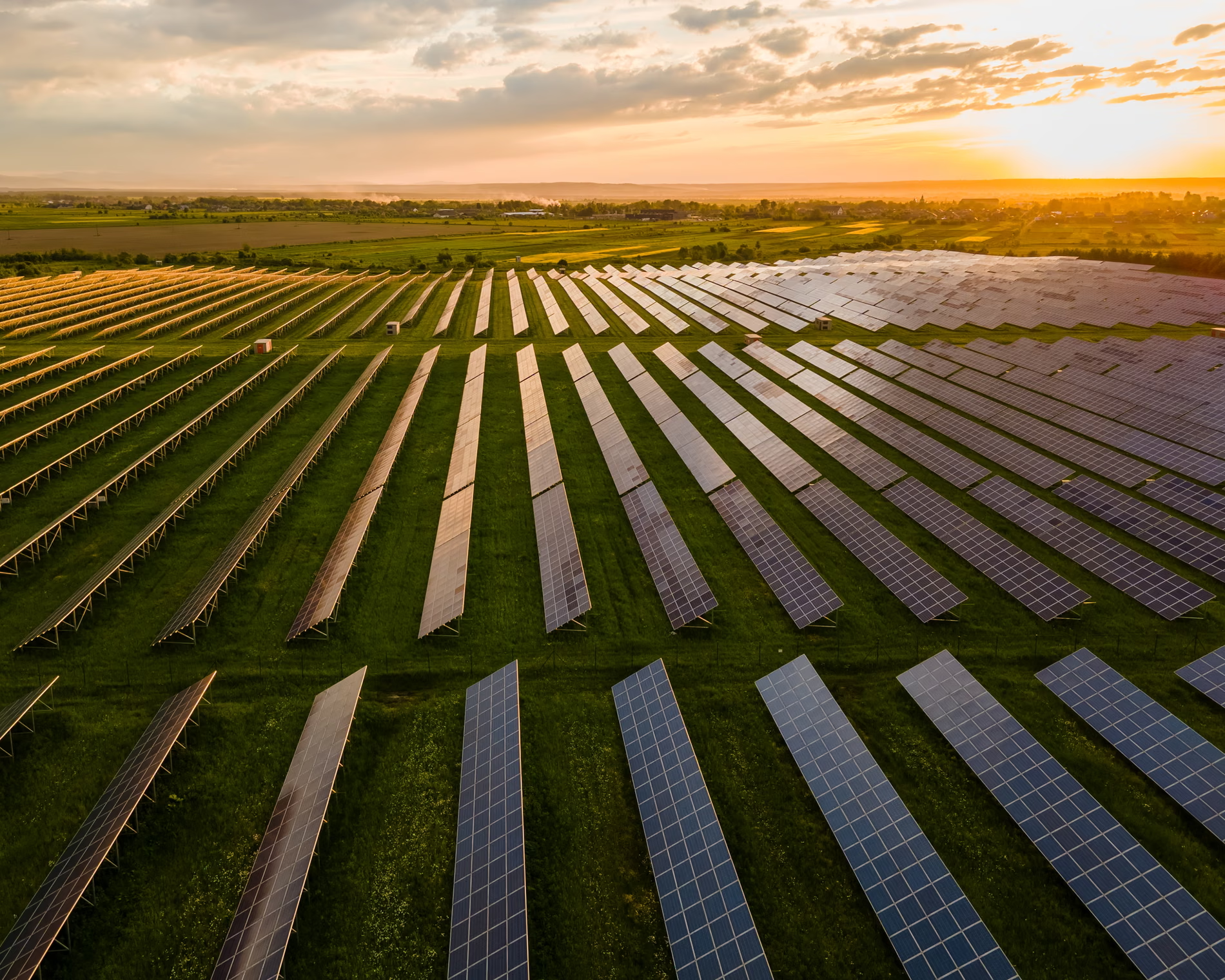
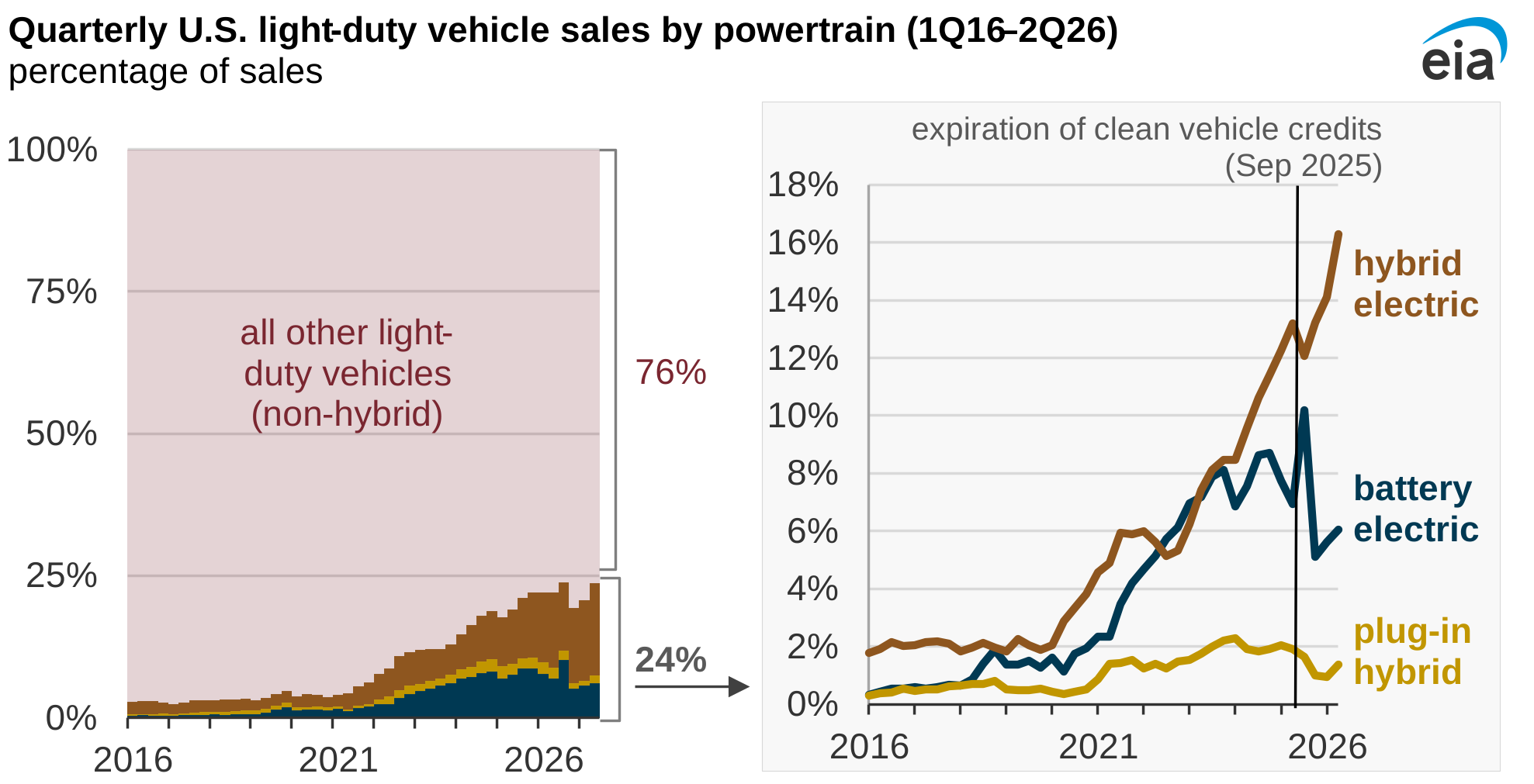
Michael Liebreich argues that the world is entering a second “Great Clean Energy Acceleration,” driven this time by the Gulf crisis and the closure of the Strait of Hormuz. He says the first acceleration, after Russia’s invasion of Ukraine, was already visible in the rapid growth of wind and solar installations, electric vehicle sales and clean-energy investment. Despite political resistance in the US and renewed arguments that the energy transition is failing, he points to continued growth in renewables, batteries, EVs and global transition investment as evidence that clean energy is still advancing strongly.
The article says the Hormuz disruption could force countries, especially in Asia, to reduce their exposure to volatile fossil-fuel imports much faster. Liebreich distinguishes between oil and gas, arguing that oil demand is harder to replace quickly because vehicle fleets turn over slowly, while gas used in power generation can be displaced more rapidly by wind and solar. He also warns that the crisis may temporarily boost coal, oil and gas investment, but concludes that repeated fossil-fuel price shocks are becoming impossible to ignore. In his view, the next phase of the transition could push renewables toward meeting all growth in energy demand and bring forward the peak in fossil-fuel use and emissions before 2030.
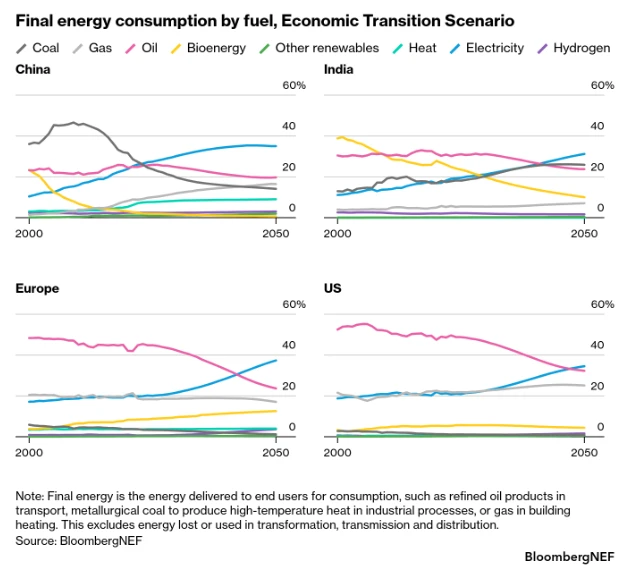
Source: BloombergNEF








.webp)
.webp)