.svg)
August 7, 2026


August 7, 2026
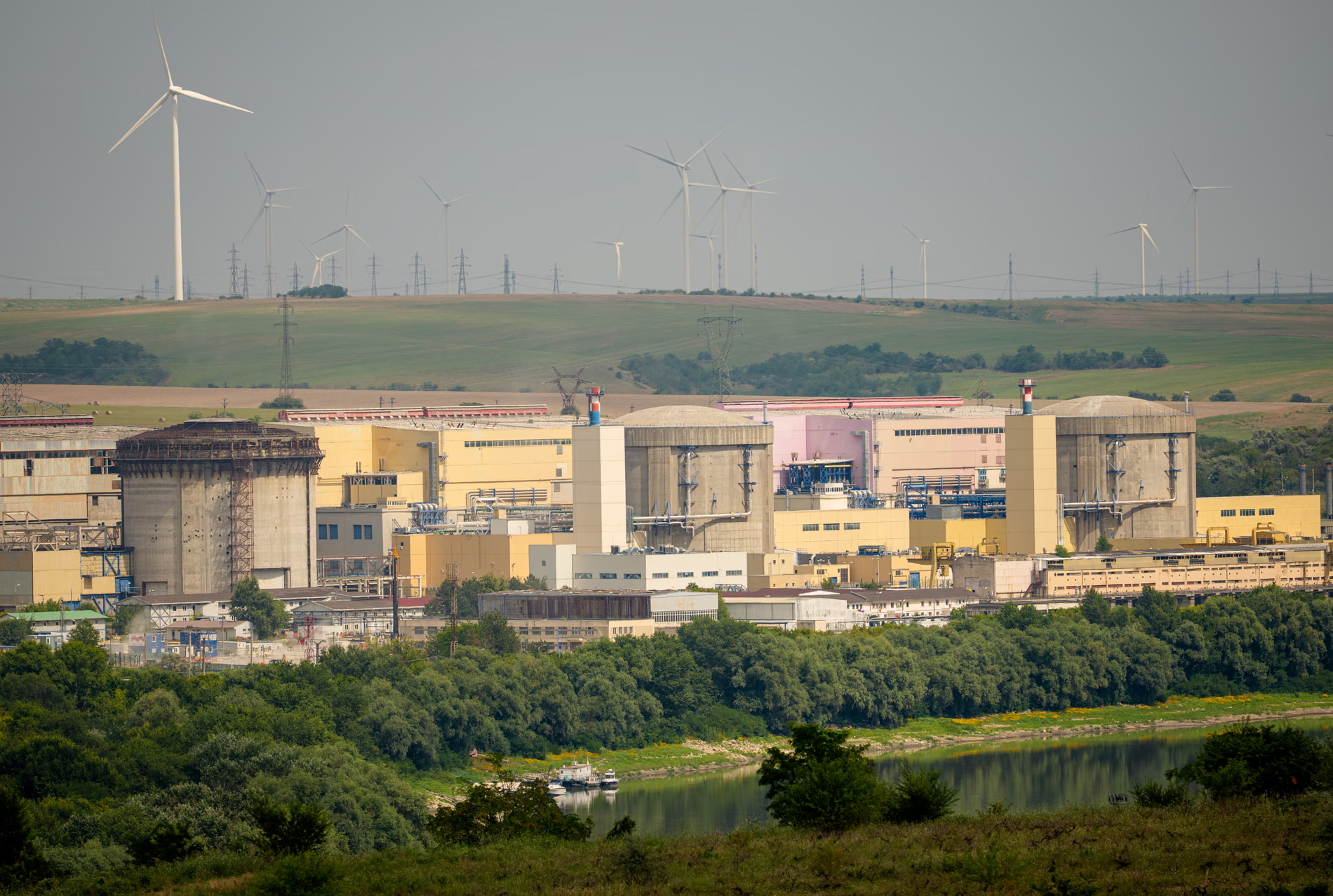
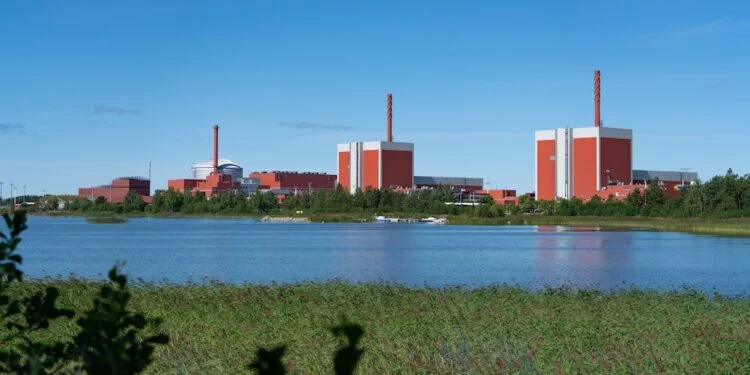
Heatwaves and drought are exposing the dependence of nuclear power stations on reliable supplies of sufficiently cool water. Many reactors use rivers or seas to remove excess heat, but falling water levels can leave too little water for cooling, while unusually high water temperatures reduce efficiency. Plants may also have to lower output or shut down to prevent discharged cooling water from overheating rivers and damaging aquatic ecosystems.
France has repeatedly curtailed production at reactors using the Rhône and Garonne during hot summers, while nuclear facilities in Sweden and Finland have also been affected by unusually warm seawater. The disruption demonstrates that, although nuclear plants remain major sources of dependable low-carbon electricity in Europe, they are not immune to climate change. More frequent heatwaves and water shortages could therefore make the availability and temperature of cooling water an increasingly important consideration for operating existing reactors and planning future energy systems.
Source: Energy Live News

















.webp)

.webp)