.svg)
August 25, 2026

August 25, 2026
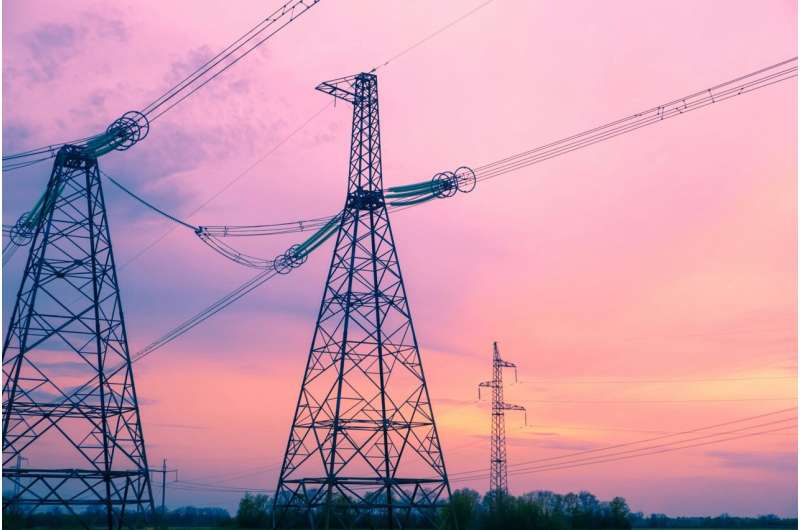
Researchers at Washington State University have developed a planning framework to help electric utilities prepare their networks for extreme weather and reduce the risk of power outages. The tool translates events such as severe winds into probable disruptions across transmission and distribution grids, then evaluates long-term resilience investments. It addresses a growing challenge as hurricanes, floods, wildfires, and temperature extremes become more frequent, while utilities must make interconnected infrastructure decisions years or decades in advance under considerable uncertainty.
The two-stage, risk-based model uses historical weather and outage data to estimate future impacts, including service interruptions, damage, and costs. Utilities can then compare the benefits and expenses of measures such as strengthening power lines, treating vulnerable infrastructure, installing protective devices, or adding distributed generation. Rather than prescribing one universal solution, the framework helps operators select an investment portfolio suited to their region, grid, and risk tolerance. It has been validated on simulated networks, and the researchers are beginning to apply it with utilities using real-world data.
Source: Tech Xplore











.webp)
.webp)