.svg)
August 11, 2026


August 11, 2026
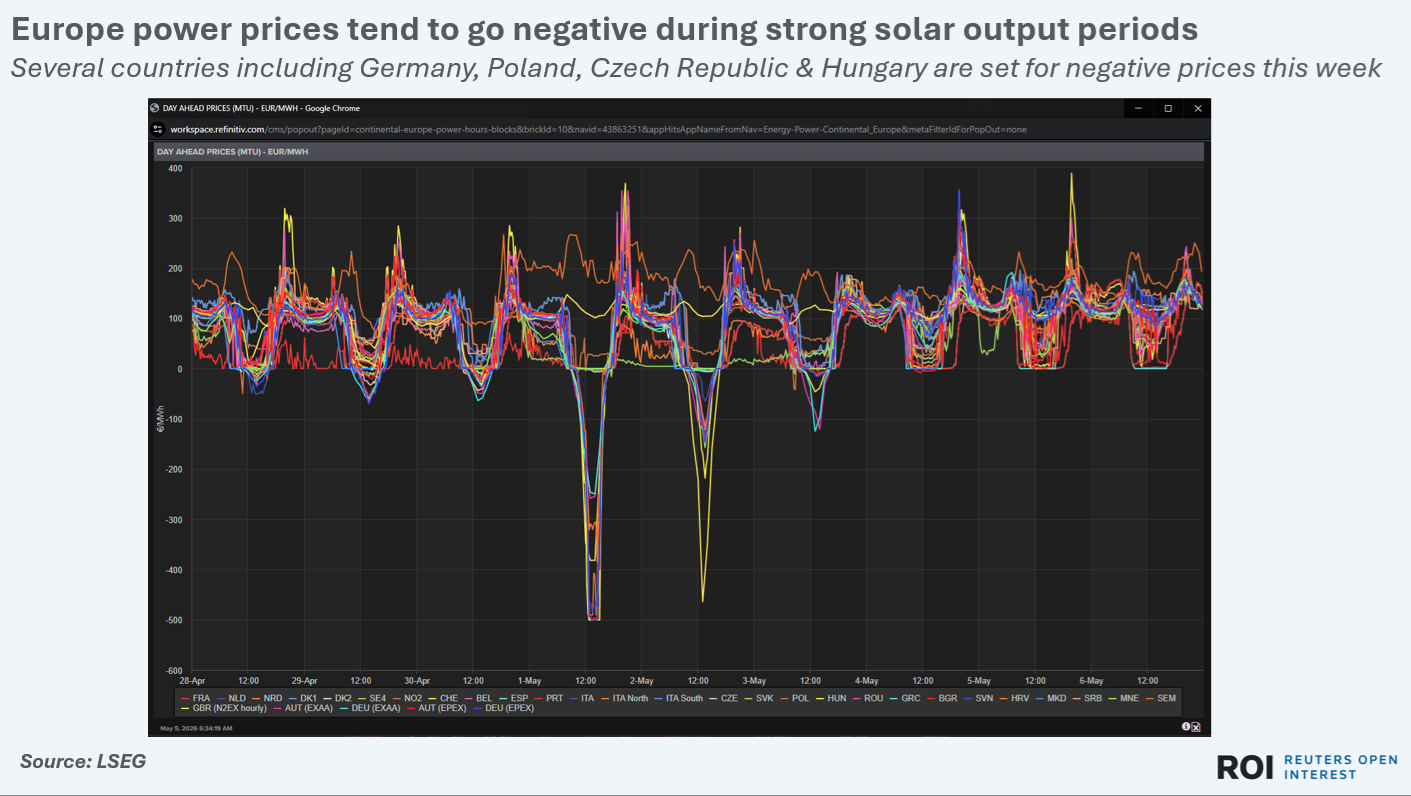
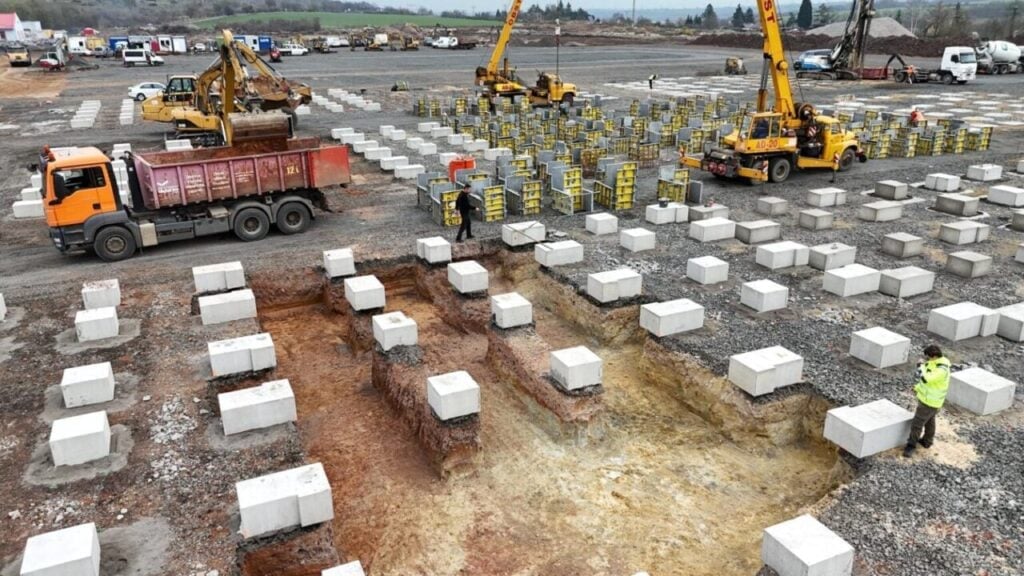
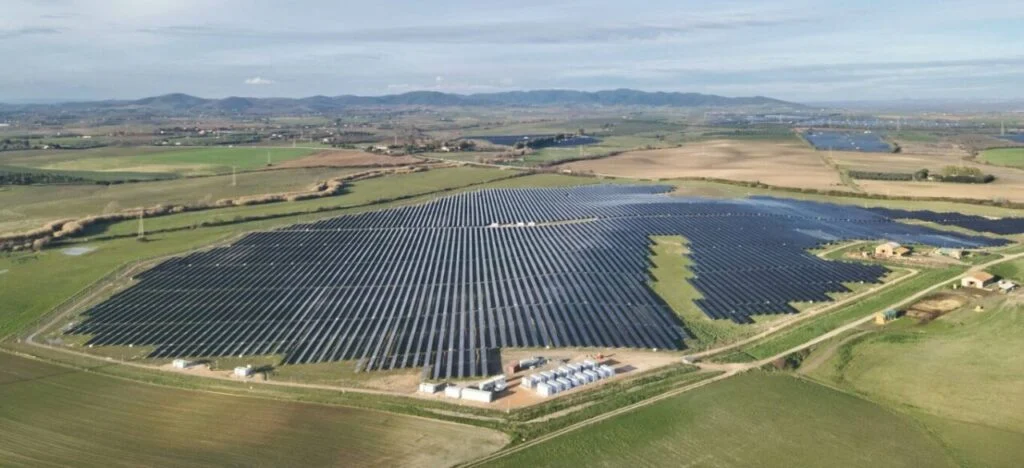
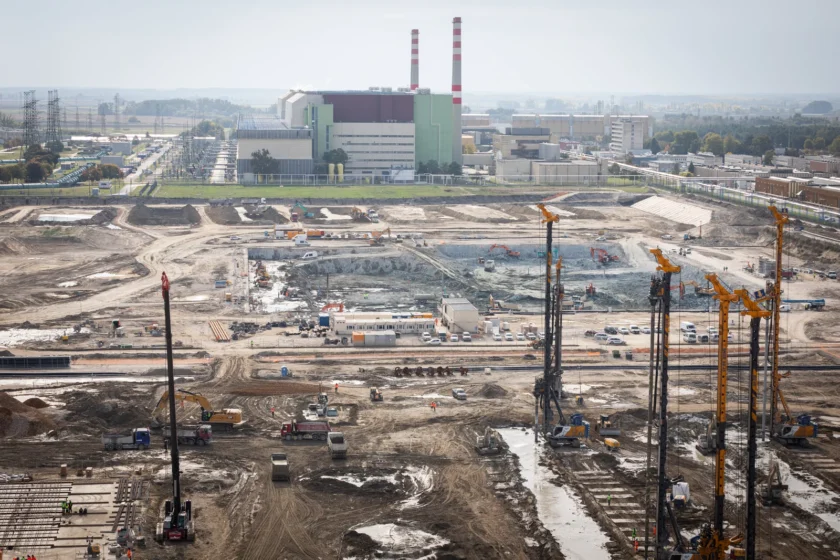
More than a decade after Hungary awarded the Paks II project to Russia’s Rosatom without an international tender, the planned two-unit nuclear plant remains at an early and uncertain stage. Originally valued at €12.5 billion and largely financed through a Russian loan, the project was expected to begin commercial operation by 2026 but has accumulated an estimated ten-year delay. Although the pouring of “first concrete” for Unit 5 in February 2026 officially placed it under construction, the article argues that this milestone represents a formal change of status rather than substantial progress. No detailed timetable has been published, and unofficial estimates suggest that costs could rise to as much as €25 billion, while the growth of renewable energy and storage has further weakened the project’s economic justification.
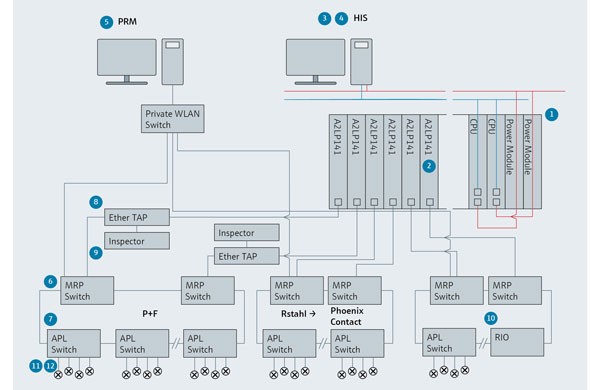
The project also faces major technological, legal and geopolitical risks. Sanctions could disrupt cooperation with Rosatom, while Siemens’ withdrawal as the supplier of the instrumentation and control system has left a critical technical problem unresolved. In addition, the European Court of Justice annulled the European Commission’s approval of state aid in September 2025 because procurement compliance had not been properly examined, potentially triggering another lengthy review. Following Hungary’s change of government in May 2026, the article recommends suspending construction and conducting an independent, transparent reassessment. However, every available option—cancelling the project, replacing Rosatom and effectively restarting it, or continuing under revised conditions—would involve substantial costs, delays and uncertainty.
Source: EnergyTransition.org








.webp)
.webp)